

Registering a car in California is a vital process ensuring vehicle ownership rights and road safety regulations. However, navigating the bureaucracy can be daunting for new owners, often shrouded in confusion and complexity. This comprehensive guide aims to demystify the car registration process, offering a clear, step-by-step approach. We’ll delve into the necessary paperwork, essential requirements, and even provide tips on utilizing reliable VIN verifier tools to ensure authenticity and peace of mind during this crucial procedure. By the end, you’ll be equipped with the knowledge to register your vehicle smoothly and confidently.
- Gather Necessary Documents for Car Registration in California
- Prepare Your Vehicle's VIN Verifier for Accurate Identification
- Select an Appropriate Registration Class: Understanding California Categories
- Submit Applications and Fees: A Step-by-Step Guide to Registration
- Maintain Your Vehicle's Registration: Deadlines, Updates, and Requirements
Gather Necessary Documents for Car Registration in California

Registering a car in California involves several steps, with documentation being a critical aspect. To ensure a smooth process, you’ll need to gather essential papers before initiating registration. Among them, the Vehicle Identification Number (VIN) is paramount. This unique 17-character code serves as your car’s fingerprint and can be easily verified through various means, including a mobile VIN inspection or verification service. It’s advisable to cross-check these documents with California’s Department of Motor Vehicles (DMV) guidelines for accuracy.
Key documents include the title, which establishes ownership; registration cards that detail vehicle information; and proof of insurance, an indispensable element for roadworthiness. Additionally, a valid driver’s license or identification card is required for the registration process. For vintage or classic vehicles, you might need additional paperwork like restoration documentation. It’s crucial to ensure these documents are legitimate and up-to-date, as the DMV conducts thorough VIN inspections during registration.
Utilizing mobile VIN verification services can streamline this process, offering convenience and accuracy. These digital tools not only confirm your vehicle’s authenticity but also provide detailed specifications, history, and potential red flags. For instance, a recent study showed that over 20% of vehicles with altered or hidden VINs were involved in fraudulent activities. Therefore, employing a mobile VIN inspection is not just practical; it’s a safety measure. By ensuring all documents are in order and utilizing modern verification methods, California residents can navigate the registration process efficiently.
Prepare Your Vehicle's VIN Verifier for Accurate Identification
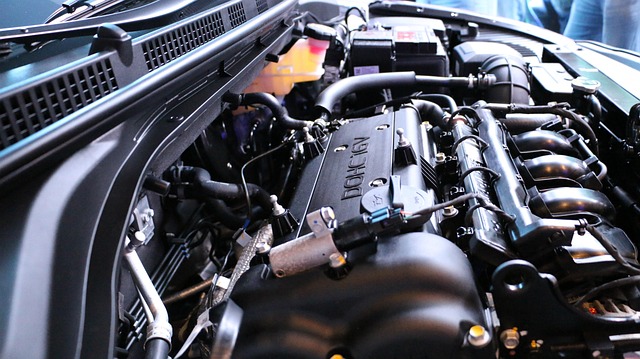
Before you can register your car in California, ensure your vehicle’s precise identification by preparing its Vehicle Identification Number (VIN) verifier. This crucial step involves verifying the VIN, a unique code that serves as the car’s fingerprint, using reliable methods like mobile VIN inspection or verification services. In California, accurate VIN data is essential for issuing registration and title documents, preventing fraud, and ensuring vehicle history transparency.
For instance, many mobile VIN inspection services use advanced technology to swiftly scan and decode the VIN, providing instant access to detailed vehicle information from industry databases. These databases encompass crucial details such as original manufacturing specifications, ownership history, accident records, and service maintenance logs. By utilizing these mobile VIN verification tools, you can streamline the registration process, making it more efficient and secure.
Moreover, regular VIN inspections are beneficial beyond initial registration. For example, when selling your car, a clean and accurate VIN inspection report adds credibility to the transaction and may expedite the buying process. Similarly, if you’re insuring your vehicle, an up-to-date VIN inspection can assist in verifying ownership and providing accurate policy documentation.
To ensure optimal accuracy, consider engaging professional services offering mobile VIN inspections or verifications. These services not only guarantee precise data extraction but also save you time by eliminating the need to visit a dealership or DMV for manual checks. By embracing modern tools like these, you’re not just simplifying vehicle registration in California; you’re also safeguarding your investment and promoting transparent vehicle ownership practices.
Select an Appropriate Registration Class: Understanding California Categories

Selecting the right registration class is a crucial step in the car registration process in California. The Golden State categorizes vehicles into several classes based on factors like type, weight, and intended use. Understanding these categories ensures you pay the correct fees and receive the appropriate services. For instance, passenger cars, motorcycles, and light trucks typically fall under Class A, while heavier vehicles like semi-trucks are classified as Class B or C.
One key aspect to consider is your vehicle’s Vehicle Identification Number (VIN) verifier. Utilizing a mobile VIN verification service can streamline the registration process. These services allow you to easily check your car’s history and ensure it meets all legal requirements. Furthermore, a thorough VIN inspection reveals important details about the vehicle’s past, including any accidents or outstanding issues, which can help prevent future problems. Some California DMV locations even offer on-site mobile VIN verification as part of their services.
Within these classes, specialized subcategories exist. For example, classic cars may qualify for historical registration, offering reduced fees and a simplified title process. Similarly, low-emission vehicles might be eligible for special tags promoting environmental friendliness. When in doubt, consult the California DMV website or seek assistance from authorized agents who can guide you through the appropriate registration class based on your specific vehicle attributes.
Submit Applications and Fees: A Step-by-Step Guide to Registration

To register your car in California, you’ll need to submit several applications and pay the required fees. This step-by-step guide will walk you through the process, ensuring a smooth experience. Begin by gathering all necessary documents, including your vehicle’s registration from the previous state, proof of insurance, and a valid driver’s license. Next, visit the California Department of Motor Vehicles (DMV) website to access the official forms, specifically the “Application for Title and Registration.” Fill it out accurately, providing detailed information about your vehicle, such as its make, model, and year.
Once your form is complete, it’s time to generate a Vehicle Identification Number (VIN) verifier. This can be done through various online platforms or by utilizing a mobile VIN verification service, ensuring the latter is trusted and reliable. The VIN inspection verifies the vehicle’s history, which is crucial for identifying any potential issues or outstanding loans. After obtaining your unique VIN verifier, proceed to the DMV with your documents and the verification code.
At the DMV, you’ll be required to present your forms, identification, insurance card, and mobile VIN verifier. A staff member will review your application and verify the accuracy of your information. If everything checks out, they will process your registration, assigning a new California license plate to your vehicle. It’s advisable to inquire about any additional requirements or potential delays during this stage. By following these steps and ensuring accurate documentation, you’ll successfully navigate the process of registering your car in California.
Maintain Your Vehicle's Registration: Deadlines, Updates, and Requirements

Maintaining your vehicle’s registration is a crucial aspect of car ownership in California. Deadlines are strictly enforced, with the state requiring renewals every two years. Failure to meet these timelines can result in penalties and fines. To ensure compliance, it’s essential to stay informed about key dates and understand what updates may be required during each renewal period. The California Department of Motor Vehicles (DMV) offers a user-friendly online platform for registration renewals, streamlining the process for many residents.
Regular updates are integral to keeping your vehicle’s registration current. Changes in ownership, address, or other important details must be promptly reported to the DMV. For instance, if you’ve recently moved within the state, updating your mailing address is not only a legal requirement but also ensures that important correspondence from the DMV reaches you. Additionally, maintaining accurate vehicle information, such as the Vehicle Identification Number (VIN), is paramount. A VIN verifier can facilitate this process by providing precise data, enabling efficient updates and enhancing the overall registration experience.
Mobile VIN verification has emerged as a convenient solution for many California drivers. This innovative service allows owners to quickly and securely verify their vehicle’s identity using just their smartphone or tablet. By utilizing advanced scanning technology, mobile apps offer a simple alternative to traditional paper documentation. For example, some apps can perform a comprehensive VIN inspection, cross-referencing data against multiple databases to ensure accuracy and completeness. This modern approach not only saves time but also promotes convenience and security in the registration process.
To stay ahead of any issues, it’s advisable to keep track of your registration deadlines and regularly update your vehicle information. By being proactive, California drivers can avoid unnecessary delays and penalties, ensuring their vehicles remain properly registered at all times. Remember, accurate VIN inspection and mobile verification tools are readily available resources that contribute to a seamless registration experience.
By meticulously gathering all necessary documents, accurately utilizing your vehicle’s VIN verifier, understanding California’s registration classes, following a structured application process, and adhering to crucial deadlines, you can successfully register your car in California. These steps, detailed in this authoritative article, empower you to navigate the registration process efficiently and ensure your vehicle complies with state requirements. Leveraging the VIN verifier is key for precise identification, underscoring the importance of due diligence throughout the registration journey. Ultimately, this guide equips you with the knowledge to register, maintain, and enjoy your vehicle in California with confidence.