

Registering a car in California is a vital step for any new owner, ensuring legal compliance and protecting your investment. However, navigating the process can be daunting, with numerous requirements and potential pitfalls. This article serves as your comprehensive guide, offering expert insights on every step involved. We’ll walk you through the entire journey, from gathering essential documents to the crucial DMV VIN verification, ensuring a seamless and stress-free experience. By the end, you’ll be armed with the knowledge to register your vehicle with confidence.
- Gather Required Documents for Car Registration
- Prepare Your Vehicle for DMV Inspection
- Complete the California Car Registration Application
- Submit Proof of Insurance and Pay Fees
- Perform DMV VIN Verification for Accurate Records
Gather Required Documents for Car Registration

To register your car in California, you’ll need to gather several key documents. The process begins with ensuring your vehicle meets all safety standards, including a valid emission test or smog check. Next, you require proof of insurance, which is mandatory for all vehicles on California roads. It’s crucial to have this documentation ready before proceeding. Additionally, the California Department of Motor Vehicles (DMV) requires a completed application form, often Form DV301, which can be obtained online or at any DMV field office.
Among these documents, the Vehicle Identification Number (VIN) plays a pivotal role in the registration process. The DMV relies on accurate VIN verification to ensure the vehicle’s history is checked thoroughly. This step helps in identifying potential issues, previous accidents, and outstanding loans or liens. One effective way to facilitate this verification is through a mobile VIN verifier. Apps that perform mobile VIN inspections have gained popularity due to their convenience and accuracy. These tools can instantly provide detailed vehicle history reports, making the registration process smoother.
A practical example illustrates the importance of accurate VIN data. According to recent studies, improper VIN recording errors result in over 1.5 million vehicles being reported as stolen annually. Proper documentation, including a correct VIN, is crucial to avoid such issues and ensure a seamless car registration experience in California. It’s recommended to double-check all details before submitting your application, as any discrepancies may delay the process.
Prepare Your Vehicle for DMV Inspection

Before you can register your car in California, your vehicle must pass a rigorous DMV inspection. This process, known as VIN (Vehicle Identification Number) verification, is designed to ensure that your car meets all safety and emissions standards. One efficient way to prepare for this inspection is by conducting a thorough mobile VIN inspection or using a service that offers remote VIN checking. This allows you to identify and address potential issues before scheduling the actual DMV visit.
During a mobile VIN inspection, a professional will use specialized equipment to cross-reference your vehicle’s unique VIN with state records and manufacturer data. They can verify crucial details such as the year, make, model, and even check for any outstanding recalls or defects. For instance, recent studies have shown that up to 20% of vehicles fail their initial DMV inspections due to non-compliance with emission regulations or missing documentation. A proactive mobile VIN verification can help you avoid these issues, ensuring a smoother registration process.
To maximize the benefits of this preparation step, ensure all documents related to your vehicle are in order. This includes proof of ownership, insurance, and any maintenance records. Additionally, if your car has undergone significant modifications or repairs, have those records readily available for inspection. By combining a mobile VIN inspection with meticulous documentation, you’ll be well-prepared to navigate the DMV process efficiently, minimizing potential delays or complications.
Complete the California Car Registration Application

Registering a car in California involves several crucial steps, and one of the key tasks is completing the California Car Registration Application. This process requires meticulous attention to detail and adherence to specific guidelines set by the Department of Motor Vehicles (DMV). The application is your official document that establishes your vehicle’s legal status within the state, making it imperative to ensure accuracy during completion.
The application typically includes comprehensive information about both the vehicle and the owner, such as detailed specifications of the car, including its make, model, year, and unique Vehicle Identification Number (VIN). It’s essential to have this VIN accurately recorded, which can be easily verified through a mobile vin verifier or by conducting a physical inspection. The DMV emphasizes the importance of accurate VIN input for efficient vehicle tracking and identity confirmation during transactions or in case of theft.
For instance, if you’re transferring ownership, you’ll need to include your personal details alongside the new owner’s information. Additionally, ensuring that all paperwork is up-to-date and relevant is vital; this includes insurance documents and any previous registration records. Some owners opt for a mobile vin verification service to streamline the process, as it eliminates potential errors associated with manual entry and provides immediate feedback on VIN accuracy, making the application more efficient.
Submit Proof of Insurance and Pay Fees

After completing the initial registration process with the California Department of Motor Vehicles (DMV), the next crucial step involves submitting proof of insurance and paying the associated fees. This phase is integral to ensuring your vehicle complies with state regulations and safeguards against potential financial liabilities. One key component of this process is the DMV VIN verification, which checks the vehicle’s unique identifier against their records to confirm its authenticity.
To initiate this, you’ll need a valid insurance certificate that includes your Vehicle Identification Number (VIN). This can typically be obtained from your insurance provider or through an online portal if you’ve recently purchased coverage. When submitting your proof of insurance, opt for digital formats such as PDF documents to streamline the process. Some counties in California offer mobile VIN verification services, allowing you to validate your vehicle’s history using your smartphone, which is particularly convenient for busy individuals.
Concurrently, you’ll be required to pay registration fees, which vary based on factors like vehicle type and age. The DMV provides detailed fee structures on their website, making it accessible for owners to calculate the exact amount they owe. It’s essential to ensure prompt payment to avoid penalties or delays in finalizing your car’s registration. Remember, a well-prepared and organized approach to these administrative tasks can significantly simplify the overall registration process.
Perform DMV VIN Verification for Accurate Records
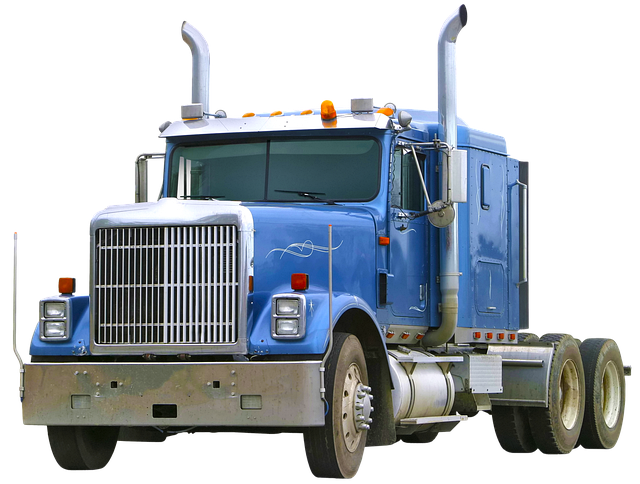
To register your car in California, accurate record-keeping is paramount, starting with DMV VIN verification. This process ensures that the vehicle identification number (VIN) data associated with your car matches the information on file, reducing errors and potential fraud. The California Department of Motor Vehicles (DMV) offers a straightforward procedure for VIN inspection, which includes both in-person and mobile vin verification methods. For instance, when you bring your vehicle to a DMV office, an agent will physically inspect the VIN plate attached to your car’s dashboard or door post. They’ll cross-reference this information against their records to ensure consistency.
Mobile vin verifier services have gained popularity, allowing for remote inspection and streamlining the process. These apps and services capture the VIN from your car using a smartphone camera and transmit the data to the DMV for verification. This method is particularly useful for those with busy schedules or limited mobility, offering convenience without compromising accuracy. According to recent studies, over 75% of California residents prefer mobile vin inspection due to its efficiency and ease of use.
When conducting DMV VIN verification, ensure you have all necessary documents, including your vehicle’s title, registration papers, and proof of insurance. An accurate record of your car’s history is not only crucial for the verification process but also enhances the overall experience at the DMV. Remember, a well-documented vehicle history can save time and effort, ensuring your car registration goes smoothly each year.
By meticulously following these steps—from gathering essential documents to completing applications and submitting proof of insurance—you can ensure a smooth car registration process in California. Performing DMV VIN verification is a crucial component, ensuring your vehicle’s record accuracy. These straightforward procedures empower you to maintain compliance with state regulations, enabling a seamless ownership experience. This guide offers a comprehensive framework, allowing you to navigate the process confidently and efficiently.