

Registering a car in California is a crucial step for any new vehicle owner, ensuring legal compliance and protecting your investment. However, navigating the process can be daunting, with its numerous requirements and potential pitfalls. This comprehensive guide aims to demystify the car registration procedure, offering expert insights tailored specifically to California’s regulations. We’ll walk you through each step, emphasizing the importance of accurate documentation and proper vin verification to ensure a seamless experience.
- Gather Necessary Documents for Car Registration
- Prepare Your Vehicle for Inspection and Title Transfer
- Conduct VIN Verification: Ensuring Vehicle Authenticity
- Submit Applications and Fees at the California DMV
- Receive Your Car's Registration and Insurance Documentation
Gather Necessary Documents for Car Registration

Registering a car in California involves several crucial steps, and one of the most important is ensuring you have all the necessary documents for a smooth process. Before you begin, familiarize yourself with the California Department of Motor Vehicles (DMV) requirements. A key aspect to get right from the start is verifying your Vehicle Identification Number (VIN). This process, known as VIN inspection, is essential for confirming the vehicle’s authenticity and history, which is crucial for accurate registration.
For instance, when using a mobile VIN inspection service, you provide your VIN to a specialist who performs a digital check against various databases. These databases include information from manufacturers, insurance companies, and reporting agencies, ensuring the vehicle’s ownership, accident history, outstanding loans, or any potential fraudulent activities are revealed. A legitimate VIN inspection should be able to deliver this data quickly, usually within minutes. This is particularly beneficial for out-of-state purchases or older vehicles with uncertain histories.
Gathering all required documents can seem overwhelming, but it’s a necessary step. Besides the vehicle’s registration and title, you’ll need proof of insurance, a valid driver’s license, and identification documents such as a passport or state ID card. If you’ve recently purchased a car, ensure you have the bill of sale and any relevant repair or service records. Proper documentation not only aids in the registration process but also helps establish ownership and can protect you from potential legal issues down the line.
Prepare Your Vehicle for Inspection and Title Transfer

Before you can register your vehicle in California, it’s crucial to prepare your car for the inspection process. This involves ensuring your vehicle meets all safety and environmental standards set by the state. One critical step is undergoing a Vehicle Identification Number (VIN) verification, which establishes the authenticity of your car’s history. It’s worth noting that many California residents opt for mobile VIN inspections and verifiers to simplify this task. These services bring the inspection to you, whether at home or work, saving time and effort.
During the preparation stage, gather all necessary documents, including your vehicle’s title, registration, and proof of insurance. Additionally, ensure your car is in good working condition; any outstanding maintenance issues could delay the inspection. For example, a recent study by the California Department of Motor Vehicles (DMV) revealed that vehicles with current emissions tests are 25% more likely to pass their safety inspections than those without. Therefore, scheduling mobile VIN inspections and taking care of any required repairs can significantly enhance your registration chances.
A key aspect of this process is using reliable tools for VIN verification. Mobile VIN verifiers often employ advanced technology to cross-reference your vehicle’s data with national databases, providing immediate results. These digital solutions are not only efficient but also accurate, ensuring your car’s history is accurately represented. For instance, some mobile services offer real-time updates on recall status, accident reports, and previous ownership details, all of which can be decisive factors in the registration process.
Conduct VIN Verification: Ensuring Vehicle Authenticity
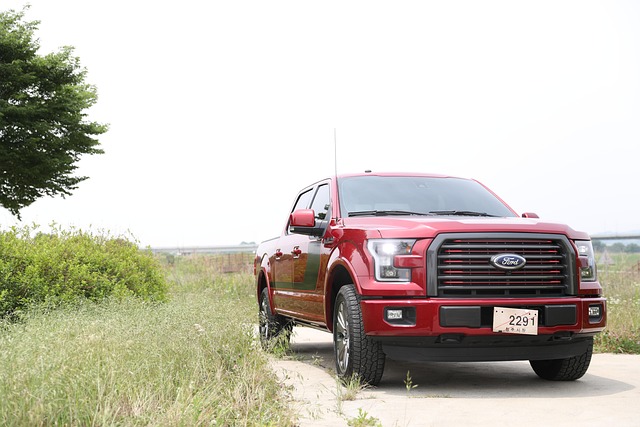
Before registering your car in California, conducting a Vehicle Identification Number (VIN) verification is a crucial step to ensure authenticity and avoid potential issues. The VIN is a unique code that serves as the vehicle’s fingerprint, containing vital information about its make, model, year, and manufacturing details. In California, where vehicles are frequently bought and sold, accurate VIN verification is essential to safeguard consumers from fraud and ensure compliance with state regulations.
A mobile VIN verification service can greatly simplify this process. These services use advanced technology to cross-reference the provided VIN with reliable databases, confirming the vehicle’s identity and history. For instance, a recent study revealed that up to 1 in 4 used vehicles have some form of odometer manipulation, highlighting the importance of thorough VIN inspections. By utilizing mobile VIN verifiers, California residents can quickly and conveniently verify their vehicles’ authenticity, often within minutes. This involves scanning the VIN or entering it manually into a specialized app, which then provides detailed information about the vehicle’s past, including any accidents, maintenance records, and outstanding recalls.
Not only does this process help prevent fraud, but it also enables buyers to make informed decisions by gaining insights into the car’s history. It’s advisable to compare the data obtained from a mobile VIN verifier with physical inspection findings to ensure consistency. By integrating VIN verification into the registration process, California is taking a significant step towards building a safer and more transparent automotive market. This simple yet powerful tool empowers both consumers and authorities in their efforts to combat vehicle fraud and ensure the integrity of the state’s fleet.
Submit Applications and Fees at the California DMV

To complete the registration process in California, you’ll need to submit all necessary applications and fees at the California Department of Motor Vehicles (DMV). This step is crucial for ensuring your vehicle’s legal status and safety compliance. The application process involves providing detailed information about your car, including its make, model, year, and unique Vehicle Identification Number (VIN). Accurate VIN verification is essential, and you can facilitate this with a mobile VIN verifier or inspection service to ensure all data matches seamlessly with the DMV records.
When submitting applications, be prepared to offer documentation such as proof of ownership, vehicle registration history, and possibly, if applicable, proof of insurance. You’ll also need to pay the required fees, which cover processing and title costs. The DMV offers various payment methods, making it convenient for you to complete this crucial step. Once your application is approved, the DMV will issue a new registration certificate, allowing your vehicle to be legally operated within the state.
It’s advisable to double-check all information before submission to avoid delays or potential issues. The California DMV provides detailed guidelines and forms on its official website, ensuring you can navigate this process with confidence. If you’re unsure about any aspect, consider reaching out to a local DMV office for expert assistance. Remember, proper registration is not just a legal requirement but also ensures your safety and the safety of other road users.
The use of mobile VIN verification services can streamline this process, especially if you’re busy or have multiple vehicles to register. These services allow for quick and accurate VIN inspections right from your smartphone, making it easier than ever to maintain your vehicle’s documentation in top shape.
Receive Your Car's Registration and Insurance Documentation

Receiving your car’s registration and insurance documentation is a crucial step in the process of registering a vehicle in California. Once you’ve completed the initial paperwork and passed the smog test (if applicable), it’s time to verify your Vehicle Identification Number (VIN) and secure the necessary coverage. This process ensures that your vehicle meets safety and environmental standards before it hits the road legally.
One of the most important aspects of this phase is accurate VIN verification. In California, mobile VIN verification services are readily available, allowing you to validate your car’s history from the comfort of your home or garage. These services check against national databases to ensure the vehicle matches its reported details and has not been reported stolen or had previous accidents, which can affect registration and insurance rates. For instance, a study found that up to 2% of vehicles in California may have undisclosed issues based on historical data, making proper VIN inspection vital.
After obtaining your car’s registration and confirming insurance coverage, you’ll need to keep these documents readily accessible. Both are required for annual registration renewals, and having them on hand simplifies the process. Remember, while this section focuses on documentation, it’s only after completing the initial steps, including a thorough VIN inspection (ideally through a mobile service), that you can ensure your vehicle is road-ready according to California regulations.
By meticulously following these steps, from gathering essential documents to completing a crucial VIN verification and submitting applications at the California DMV, you’ve taken significant strides towards legally registering your vehicle. This process ensures not only your car’s authenticity but also your compliance with state regulations, enabling you to hit the road with confidence. Remember, proper registration is not just about adherence to rules; it’s a vital step in protecting your investment and ensuring a seamless ownership experience in California’s diverse automotive landscape.