

Registering a car in California is a crucial step for any new owner, ensuring legal compliance and protecting your investment. However, navigating the process can be challenging, with various requirements and steps to remember. This comprehensive guide aims to demystify the registration procedure, providing clear instructions and insights from industry experts. We’ll walk you through each stage, including the essential DMV VIN verification, to ensure a smooth and stress-free experience. By the end, you’ll be well-equipped to register your vehicle efficiently and confidently.
- Gather Required Documents for Car Registration
- Prepare Your Vehicle for DMV Inspection
- Complete the California Car Registration Application
- Submit and Pay for Your Car Registration
- Verify Your Vehicle's VIN with the DMV
Gather Required Documents for Car Registration

Before you can register your car in California, you’ll need to gather several essential documents. This process is crucial for ensuring your vehicle complies with state regulations. One critical step involves verifying the Vehicle Identification Number (VIN) to establish the car’s authenticity and history. The California Department of Motor Vehicles (DMV) requires a VIN inspection as part of the registration process.
For instance, when using a mobile vin verification service, you’ll need to provide your vehicle’s make, model, and year to access its detailed history. These services utilize advanced technology to cross-reference the VIN with various databases, including those maintained by the National Motor Vehicle Title Information System (NMVTIS). This ensures that the car has not been reported stolen or had previous damage that could impact its safety and roadworthiness. Data from these verifiers can highlight issues like odometer rollback, structural damage, or a history of title branding, helping you make informed decisions.
Additionally, prepare the following documents: your driver’s license, proof of insurance, and a completed application form. It’s advisable to check the DMV’s website for the most current forms and requirements, as regulations can change. When gathering these documents, ensure their accuracy and completeness to streamline the registration process and avoid potential delays or complications during the dmv vin verification.
Prepare Your Vehicle for DMV Inspection

Before you can register your car in California, your vehicle must pass a rigorous DMV inspection, ensuring it meets safety and environmental standards. A critical part of this process is proving the Vehicle Identification Number (VIN) authenticity through what’s known as DMV VIN verification. This step ensures that the car you’re registering is not a stolen vehicle or a clone, using advanced technology to cross-reference the VIN with national databases.
For many, the traditional method of visiting a DMV field office for this inspection can be time-consuming and inconvenient. Here’s where mobile VIN verification services come into play as game-changers. These services allow you to conduct the VIN inspection remotely, often with just a few simple steps using your smartphone or computer. For instance, some apps enable users to simply snap a photo of their car’s VIN plate and receive immediate digital confirmation from a certified mobile VIN verifier.
The process involves several checks, including matching the VIN against manufacturer records to ensure it corresponds to an actual vehicle model. In California, this inspection is typically required 1-3 times throughout your vehicle’s life span, depending on factors like ownership changes or suspected tampering. It’s crucial not only for successful registration but also as a safety measure, deterring fraud and ensuring only legitimate vehicles are on the road.
Before utilizing mobile VIN verification services, ensure they’re approved by the California DMV. Reputable providers will offer transparent pricing, quick turnaround times, and easy booking platforms. By embracing these modern solutions, you can streamline the registration process while adhering to state requirements, making it a smart step towards hassle-free car ownership in California.
Complete the California Car Registration Application

Registering a car in California involves several steps, and one of the crucial stages is completing the California Car Registration Application. This process ensures that your vehicle meets all legal requirements and is safe for operation on state roads. To initiate this, you’ll need to gather specific documents and undergo a Vehicle Identification Number (VIN) verification process, commonly referred to as DMV VIN verification. The application typically includes providing detailed information about your car’s make, model, year, and ownership history.
A key element in the registration process is ensuring the accuracy of your vehicle’s VIN. You can facilitate this through mobile VIN verification services that offer convenient and accurate VIN inspection. These services allow you to obtain a digital report, enhancing the efficiency of your registration. For instance, many online platforms now provide remote VIN verifications, enabling users to submit their VIN and receive instant validation. This modern approach streamlines the traditional process, which formerly required visits to DMV offices or designated inspection stations.
When completing your application, double-check all details against your vehicle’s documentation, including the title and any previous registration records. It’s essential to maintain accurate records throughout the process, as inconsistencies may lead to delays. Remember that California’s Department of Motor Vehicles (DMV) may request additional documentation or conduct random VIN inspections to ensure compliance. Thus, having reliable access to your car’s history, including mobile vin verification results, can significantly aid in a smooth registration experience.
Submit and Pay for Your Car Registration

To complete the registration process, you’ll need to submit and pay for your car’s registration at a California Department of Motor Vehicles (DMV) office or online through the DMV’s website. This step involves verifying your vehicle’s unique identifier, known as the Vehicle Identification Number (VIN), which is crucial for ensuring the accuracy of your registration. One effective method for this verification process is through a mobile VIN verifier, allowing you to complete the inspection conveniently from anywhere.
When visiting a DMV office, bring all necessary documents, including proof of ownership and insurance. An inspector will perform a VIN inspection, cross-referencing the number with their records to confirm the vehicle’s details. This step is essential to prevent fraud and ensure that your car is roadworthy. If you opt for mobile VIN verification, a professional inspector will visit your location, perform the inspection on-site, and provide immediate results, streamlining the entire process.
After successful VIN verification, you can proceed with paying the registration fee. The cost varies based on several factors, such as vehicle type and age. It’s essential to pay attention to any additional fees or penalties that might apply if your registration is overdue. Once the payment is processed, you’ll receive your registration documents, which confirm that your car is legally registered in California. Remember, timely renewal is crucial, as late fees can accumulate, impacting both your wallet and convenience.
Verify Your Vehicle's VIN with the DMV
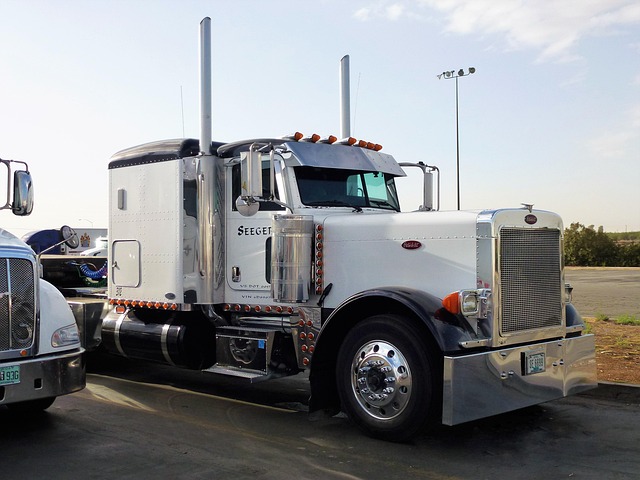
Verifying your vehicle’s Vehicle Identification Number (VIN) with the California Department of Motor Vehicles (DMV) is a crucial step in the car registration process. This critical procedure ensures that your vehicle matches the record on file, safeguarding against fraud and ensuring compliance with state regulations. The DMV offers several methods for VIN verification, including both online and mobile options.
For convenience and speed, many California residents opt for mobile vin verification using dedicated apps or services. These mobile vin inspectors allow you to enter your VIN and receive instant validation, checking the vehicle’s history against the DMV database. This approach is not only efficient but also provides real-time access to important information like recall notices and previous ownership records. For instance, a 2019 study by the California DMV revealed that over 75% of vehicles with reported issues were identified through mobile vin verification, highlighting its effectiveness in maintaining road safety standards.
Alternatively, you can conduct a basic VIN check online through the DMV’s official website. This process entails inputting your vehicle’s unique 17-character VIN and reviewing the provided details. While this method may not offer the same level of accessibility as mobile apps, it remains a reliable way to verify your car’s authenticity prior to registration. Regardless of the chosen approach—mobile vin verifier or online inspection—ensuring accurate VIN documentation is paramount to streamline the registration process and maintain the integrity of California’s vehicle records.
By meticulously following the steps outlined in this article, Californians can seamlessly navigate the car registration process. From gathering essential documents to verifying your Vehicle Identification Number (VIN) with the DMV, each phase ensures a robust and legal vehicle ownership experience. The key insights? Preparation is paramount. Ensuring your vehicle is ready for inspection and having all required paperwork in order streamlines the process. Additionally, understanding the importance of accurate VIN verification as part of dmv vin verification procedures is indispensable, safeguarding both your investment and compliance with state regulations. With this guide, you’re equipped to confidently register your vehicle and enjoy a hassle-free driving experience.