

Looking to register your car in California? This comprehensive guide walks you through the entire process, from understanding eligibility requirements to paying registration fees. We’ll break down the essential steps, including gathering vital documents and performing a DMV VIN verification, crucial for a smooth and legal registration. By following these detailed instructions, you’ll be on your way to securing your vehicle’s registration certificate in no time.
- Understand Eligibility Requirements for Car Registration in California
- Gather Necessary Documents for Car Registration
- Perform DMV VIN Verification: Steps and Importance
- Complete the California Car Registration Application Process
- Pay Registration Fees and Obtain Your Vehicle's Registration Certificate
Understand Eligibility Requirements for Car Registration in California

Before diving into the registration process, it’s crucial to understand the eligibility requirements for car registration in California. To register your vehicle, you’ll need to meet specific criteria set by the Department of Motor Vehicles (DMV). One key step is ensuring your vehicle is safe and meets emissions standards. The DMV conducts a Vehicle Identification Number (VIN) verification process, which includes checking the vehicle’s history and components like its engine, transmission, and safety features.
Additionally, you’ll require certain documents such as proof of ownership, valid identification, and potentially, if applicable, proof of insurance and paid registration fees. A mobile VIN verifier or inspector can assist in this initial verification process by providing on-site, quick checks to ensure your vehicle is eligible for registration, saving you time and effort.
Gather Necessary Documents for Car Registration

Before you start the registration process for your car in California, ensure you have all the essential documents ready. This includes bringing along the vehicle’s registration certificate from the previous state (if applicable), proof of insurance, and a valid driver’s license. Additionally, the DMV requires a Vehicle Identification Number (VIN) verification to confirm the vehicle’s details. You can facilitate this process with a mobile VIN verifier or perform a simple inspection yourself by locating the VIN on the vehicle’s chassis.
For out-of-state registrations, you might also need to provide documentation regarding any outstanding liens or titles. It’s advisable to check with your local DMV for specific requirements as some regions may have additional paperwork needs. Properly gathering these documents ensures a smoother registration experience and helps avoid potential delays.
Perform DMV VIN Verification: Steps and Importance
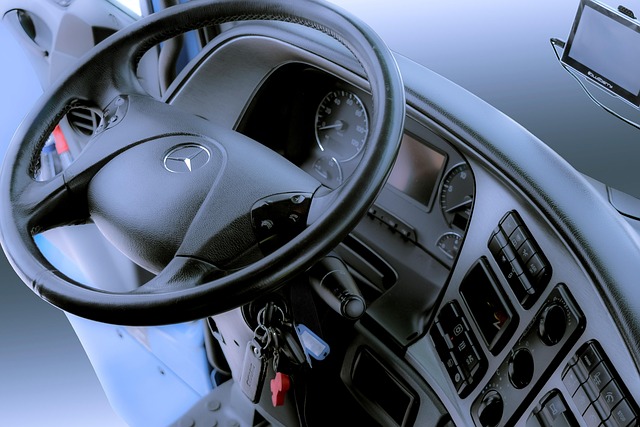
Before registering your car in California, performing a DMV VIN (Vehicle Identification Number) verification is a crucial step. This process ensures that the vehicle’s history and details are accurate and up-to-date, which is essential for ensuring safe and legal operation on California’s roads. You can initiate this verification through various methods, including online or by visiting a local DMV office.
To conduct a VIN inspection, you’ll need to provide your vehicle’s unique VIN to the DMV. This can be done either manually or with the aid of a mobile vin verifier app. Once submitted, the DMV will cross-reference the information against their extensive databases to check for any outstanding issues like accidents, recalls, or registration histories in other states. A successful verification is a game-changer, as it paves the way for seamless car registration, ensuring your vehicle’s documentation aligns with its actual condition.
Complete the California Car Registration Application Process
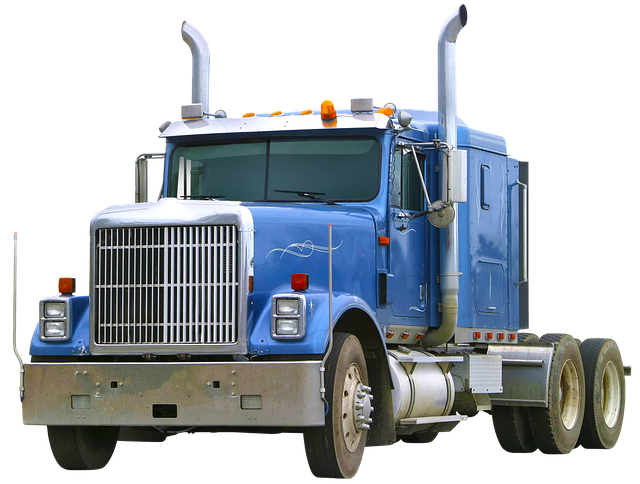
To complete the California Car Registration Application Process, gather all necessary documents and visit a DMV office or use their online services. Start by filling out the California Car Registration Application form, ensuring every detail is accurate. This includes providing your vehicle’s make, model, year, and unique identifier, which is crucial for a successful dmv vin verification.
Next, submit proof of insurance, identification, and ownership. If you prefer a mobile vin verifier or mobile vin inspection, many services offer convenient options to complete the vin verification process remotely, saving you time and effort. These digital solutions streamline the traditional procedures, making it easier for California residents to register their vehicles efficiently.
Pay Registration Fees and Obtain Your Vehicle's Registration Certificate
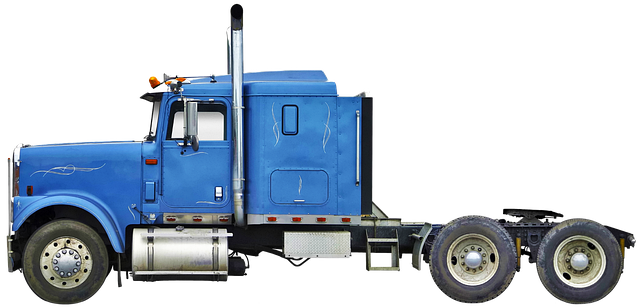
After completing your vehicle’s registration application, it’s time to settle the fees. The California Department of Motor Vehicles (DMV) charges a fee for registering your car, and this process typically involves a detailed vehicle inspection, including a DMV VIN verification. This verification ensures that your vehicle meets all necessary safety standards. You can pay these fees online or in person at any DMV field office.
Once the registration fees are paid, you’ll receive your Vehicle Registration Certificate. This document is crucial and must be kept with your vehicle at all times. It proves that your car has been registered and legally operated within California’s guidelines. If you prefer a more convenient option, consider using a mobile VIN inspection service or a vin inspection app to streamline the verification process.
Registering a car in California involves understanding eligibility requirements, gathering essential documents, completing a straightforward application process, and paying applicable fees. A crucial step in this process is performing a DMV VIN verification, ensuring your vehicle’s authenticity and compliance with state standards. By following these steps, you’ll be on your way to securing the legal registration of your vehicle in the Golden State.