
Registering a car in California is a crucial step for any new or existing vehicle owner. It’s not just about legal compliance; it ensures your investment is properly secured and you can enjoy seamless road adventures. However, navigating the process can be daunting, especially with varying requirements across regions. This article serves as your comprehensive guide, offering step-by-step insights into the car registration procedure in California, including the essential DMV VIN verification process. By the end, you’ll be well-equipped to handle this task efficiently and confidently.
- Gather Required Documents for Car Registration
- Prepare for DMV Visit: Schedule and Fees
- Vehicle Identification Number (VIN) Verification Process
- Complete Application Forms Accurately
- Post-Registration: Insurance and Maintenance Tips
Gather Required Documents for Car Registration

Registering a car in California involves several crucial steps, and one of the critical initial stages is gathering the necessary documents for a smooth process. Among these, the Vehicle Identification Number (VIN) verification holds significant importance, ensuring the car’s authenticity and history are accurately represented. This verification process can be efficiently managed through a mobile VIN verifier or inspection service, which offers convenience and accuracy.
To initiate the registration, you’ll need several key documents. Firstly, ensure you have the vehicle’s title, which is necessary for transferring ownership. Secondly, a valid driver’s license or ID card is required for identification purposes. Additionally, proof of insurance is essential, as it demonstrates your compliance with California’s minimum liability coverage requirements. It’s also crucial to provide a completed and signed Application for Title and Registration form, which can be obtained from the California Department of Motor Vehicles (DMV).
Beyond these fundamental documents, DMV VIN verification plays a pivotal role in the registration process. This involves confirming the vehicle’s unique VIN through official channels, ensuring it matches the data on file with the manufacturer. A mobile VIN inspection service can greatly facilitate this step by providing on-site or remote verification using advanced technology. By employing such services, you avoid potential delays and ensure your car’s history is accurately represented, setting a solid foundation for a successful registration in California.
Prepare for DMV Visit: Schedule and Fees

Before registering your car in California, it’s crucial to prepare for your visit to the Department of Motor Vehicles (DMV). This process involves several steps, including scheduling an appointment and understanding the associated fees. The DMV requires a thorough vehicle inspection, which includes a Vehicle Identification Number (VIN) verification. This step is often overlooked but is a critical part of ensuring your car meets safety standards and environmental regulations. For those who prefer convenience, California offers mobile VIN inspections and verifications, eliminating the need for an in-person visit.
When scheduling your appointment, be mindful of peak seasons when DMV offices can experience significant wait times. Visiting during off-peak hours or utilizing online services for certain transactions can significantly enhance your experience. Upon arrival, you’ll need to present essential documents such as proof of ownership, vehicle registration from the previous state (if applicable), and current insurance card. Additionally, be prepared with any necessary fees—a key aspect of a successful DMV visit. California charges specific fees for car registration, title transfers, and other related services, which can be checked on the official DMV website to ensure accuracy.
One practical tip is to use the DMV’s online tools to determine exact fees based on your vehicle type and personal situation. This preparation ensures you avoid any surprises or delays during your visit. For instance, if you’re transferring a title, there might be additional costs that can be calculated in advance. Furthermore, mobile VIN inspection services provide an alternative for those who prefer not to visit the DMV, ensuring a smoother process with minimal hassle. By proactively managing your expectations regarding fees and scheduling, you’ll be well-prepared to navigate the registration process efficiently.
Vehicle Identification Number (VIN) Verification Process
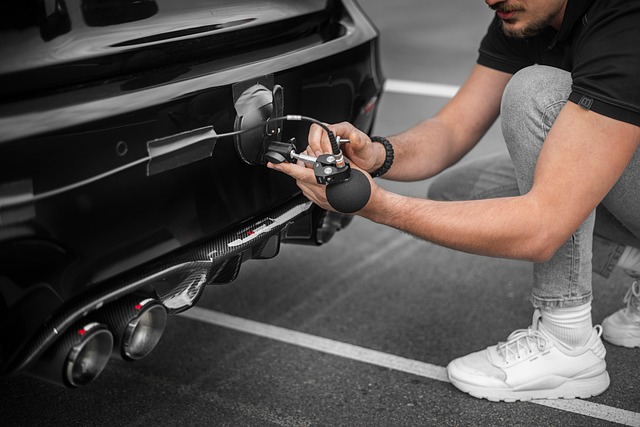
Registering a car in California involves several steps, and one crucial component is ensuring your vehicle’s unique identifier, the Vehicle Identification Number (VIN), is verified accurately. The process is designed to safeguard against fraud and ensure only legitimate vehicles are registered. This is where a mobile VIN verifier or inspection service can be of immense practical value, especially given California’s stringent regulations.
DMV (Department of Motor Vehicles) vin verification is typically conducted during the registration process, and it’s not uncommon for issues to arise if the VIN doesn’t match the vehicle presented. To streamline this check, many Californians opt for a mobile VIN inspection service. These services send a trained professional to your location, whether it’s your home or business, to perform a thorough VIN verification right on site. This convenience factor is significant, eliminating the need for back-and-forth trips and saving valuable time.
For instance, consider a scenario where a car owner is preparing to register their newly purchased vehicle. They obtain the necessary documents, including the title and insurance paperwork. However, due to previous owners or potential alterations, the VIN on the dashboard might not match what’s documented. Here’s where a mobile vin verifier steps in, swiftly verifying the VIN against state databases. If discrepancies are found, it could indicate theft, odometer rollback, or structural modifications, all of which would bar registration. By using these services, California drivers ensure their vehicles’ histories are accurately checked, promoting safe and legal roads for everyone.
Complete Application Forms Accurately
Completing application forms accurately is a crucial step in the car registration process in California. The Department of Motor Vehicles (DMV) requires meticulous attention to detail when filling out these documents, as errors can lead to delays or even rejection of your application. Every form has specific sections that must be completed with accurate and up-to-date information. For instance, ensure all vehicle identification number (VIN) details are correct—this unique 17-character identifier is crucial for identifying your car during the dmv vin verification process. Provide the VIN from reliable sources like the vehicle’s title or manufacturer’s records to avoid discrepancies.
One common pitfall is misinterpreting the information requested on the forms. Each field has precise requirements, such as accurate mileage and previous ownership details. Double-check dates, addresses, and contact information to prevent mistakes. It’s also essential to understand the difference between a mobile vin inspection and a traditional VIN verification process. Mobile vin inspectors can provide on-site services for convenience, especially when dealing with vehicles in hard-to-reach locations. These inspectors use advanced tools to conduct real-time VIN inspections, ensuring accuracy and saving time.
To streamline the process, create a checklist of required documents and ensure all necessary fees are paid. Some counties in California may have additional requirements or forms, so review the specific guidelines for your area. Accurate completion of application forms not only speeds up registration but also reduces the risk of issues arising later due to inaccurate or incomplete data. Always refer to the DMV’s official resources for the most current and detailed instructions tailored to California’s car registration process.
Post-Registration: Insurance and Maintenance Tips

After successfully registering your vehicle with the DMV, there are crucial steps to ensure a smooth ownership experience. One of the most important aspects often overlooked is post-registration preparation, particularly focusing on insurance and routine maintenance. In California, vehicle owners must adhere to stringent legal requirements, making informed decisions vital.
Insurance coverage is an indispensable part of car ownership. Within 30 days of registration, you must obtain a minimum liability policy meeting the state’s standards. This involves shopping around for quotes and understanding different types of coverage, such as collision and comprehensive, tailored to your needs. A simple online search for “California auto insurance requirements” can guide you through this process. Additionally, many insurers now offer mobile apps, allowing you to manage policies, file claims, and access support promptly, ensuring peace of mind.
Regular maintenance is key to keeping your vehicle in optimal condition. The California DMV recommends a vin inspection (DMV VIN verification) at least annually to ensure compliance with safety standards. Many services now provide mobile vin inspection options, making it more convenient than ever. For example, a recent study showed that regular maintenance can reduce repair costs by up to 20%. Simple measures like changing oil, checking tire pressure, and replacing air filters can significantly impact your vehicle’s longevity. Consider setting reminders for these tasks or using a dedicated vehicle management app to stay organized.
By systematically navigating the process of car registration in California, from gathering essential documents to completing application forms accurately, you can ensure a smooth experience at the DMV. A crucial step in this journey is the VIN verification process, which demands precise information about your vehicle’s unique identifier. Remember, accurate record-keeping and adherence to these procedures are vital to avoid delays or complications. Post-registration, prioritizing insurance and regular vehicle maintenance not only ensures compliance with legal requirements but also safeguards your investment. This comprehensive guide equips you with the knowledge to confidently register your car in California, emphasizing the significance of each step, including the DMV VIN verification process.