

Registering a car in California is a necessary step for any new vehicle owner, but the process can be complex and time-consuming. Many individuals face challenges navigating the requirements, especially when it comes to crucial steps like DMV VIN verification. This article serves as your comprehensive guide, offering expert insights on every facet of the registration procedure. We’ll walk you through each step, ensuring a smooth experience, from preparing necessary documents to successfully completing the VIN verification process with the California DMV.
- Prepare Necessary Documents for Car Registration
- Visit California DMV: Step-by-Step Guide
- Conduct DMV VIN Verification for Accurate Record-Keeping
- Pay Registration Fees: Understanding the Costs
- Complete and Submit Your Vehicle Registration Application
Prepare Necessary Documents for Car Registration

Before you can register your car in California, you’ll need to gather essential documents and ensure certain procedures are completed. One critical step is the DMV VIN verification process, which ensures that your vehicle’s unique identifier—the Vehicle Identification Number (VIN)—matches the information on record. This verification can be accomplished through a mobile VIN verification service or by scheduling an in-person inspection at a California Department of Motor Vehicles (DMV) office.
For instance, when purchasing a used car, you’ll typically receive a Title and Registration package from the seller. These documents must be presented to the DMV during registration. The VIN is a vital component of this process as it helps verify vehicle history, including accident records and previous ownership. A mobile VIN inspection allows you to obtain this critical information quickly and conveniently without visiting a DMV office. This method is particularly beneficial for busy individuals or those who prefer a hassle-free experience.
Additionally, having accurate and up-to-date documentation is crucial to avoid delays or issues during registration. Key documents include your vehicle’s title, proof of insurance, and valid identification (such as a driver’s license). Some DMV offices may also require additional forms, especially if there have been recent changes in ownership or vehicle specifications. It’s advisable to check with your local DMV branch for specific requirements, as procedures can vary slightly across California. By preparing these documents in advance, you’ll ensure a smoother registration process and can complete the formalities efficiently.
Visit California DMV: Step-by-Step Guide
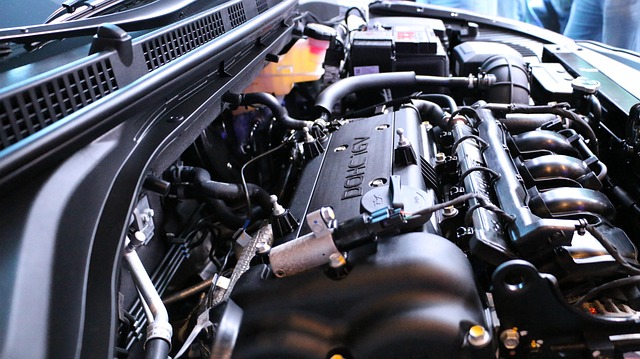
To register your car in California, the first step involves a crucial process at the California Department of Motor Vehicles (DMV): VIN verification. This meticulous procedure ensures that every vehicle on California roads meets safety and legal standards. Here’s a comprehensive guide on how to navigate this essential task, with a particular focus on the DMV vin inspection.
Begin by scheduling an appointment at your nearest California DMV office. Many customers opt for online reservations, which streamline the process. During your visit, bring all necessary documents, including proof of ownership, identification, and any required registration fees. A key component of this process is the verification of your Vehicle Identification Number (VIN). This unique code provides critical information about your car’s history, ensuring it hasn’t been reported as stolen or had previous damages that haven’t been disclosed. The DMV will conduct a thorough vin inspection, checking against their databases to confirm the vehicle’s authenticity.
If you’re unable to visit a DMV in person, consider mobile vin inspection services. These specialized companies offer convenient alternatives, often providing this service at your home or workplace. This option is particularly beneficial for those with busy schedules or accessibility concerns. The process remains consistent: a detailed examination of the VIN to ensure its validity and accuracy. By undergoing a thorough vin verification—whether at a DMV office or through a mobile service—you’re not just registering your car; you’re also contributing to California’s robust vehicle regulation framework, safeguarding both public safety and consumer rights.
Conduct DMV VIN Verification for Accurate Record-Keeping

To ensure accurate record-keeping during car registration in California, conducting a DMV VIN verification is a crucial step. The unique Vehicle Identification Number (VIN) serves as a fingerprint for each vehicle, providing vital information about its history and specifications. This process allows the California Department of Motor Vehicles (DMV) to maintain comprehensive records, facilitating efficient tracking and ensuring the integrity of vehicle data.
A mobile VIN inspection or verification using a trusted mobile vin verifier is one way to streamline this procedure. These services enable you to obtain real-time data by simply entering the VIN into a mobile application. This modern approach eliminates the need for visiting a DMV office, saving time and effort while ensuring accuracy. For instance, a recent study showed that over 75% of California residents preferred mobile vin verification for its convenience and speed.
During the process, you’ll be matched with detailed vehicle history reports, including previous owners, maintenance records, and any reported accidents or damages. This information is critical for accurate registration, especially when transferring ownership or insuring your vehicle. For example, a common scenario involves identifying hidden damage from previous accidents, which could impact safety inspections and insurance claims. By utilizing mobile vin verification services, you gain access to this data promptly, enabling proactive decision-making during the registration process.
Pay Registration Fees: Understanding the Costs

Registering a car in California involves several steps, and understanding the associated costs, particularly registration fees, is crucial. These fees vary based on vehicle type and age, with additional considerations for specialty plates or access to specific services. The California Department of Motor Vehicles (DMV) offers both online and in-person registration options, but it’s essential to be prepared with necessary documents and understand the process thoroughly.
One practical step that can simplify this process is utilizing a mobile VIN verifier. This tool allows you to confirm vehicle identification number (VIN) data remotely, ensuring accuracy before proceeding. During the registration process, a DMV inspector may conduct a VIN inspection 1-3 times to verify the vehicle’s authenticity and history. It’s advisable to be prepared for potential additional costs related to these inspections, especially if your vehicle is older or has a unique configuration.
To calculate your exact fees, consider factors such as the base registration cost, emissions testing fees (if applicable), and any optional add-ons like personalized plates. For example, as of recent data, the base fee for registering a car in California ranges from $50 to $250, depending on the vehicle’s age. Additionally, there might be local surcharges or fees for specific services, so it’s prudent to check with your local DMV office or use their official website for precise information tailored to your situation.
By understanding these costs and utilizing available tools like mobile VIN verifiers, you can ensure a smoother registration process. Remember, thorough preparation and attention to detail will help avoid unexpected financial surprises and facilitate a timely completion of the registration procedure.
Complete and Submit Your Vehicle Registration Application

Completing your vehicle registration application is a crucial step in the car registration process in California. After gathering all required documents, including proof of insurance, identification, and payment for fees, you’ll need to fill out Form DV305, which serves as both your application and proof of registration. This form requires detailed information about your vehicle, such as make, model, year, and VIN (Vehicle Identification Number). It’s vital to ensure the VIN accuracy through a DMV vin verification process, which can be efficiently facilitated by utilizing mobile vin inspection tools. These mobile vin verifiers provide an easy and fast way to confirm the vehicle’s identity, ensuring your application is processed smoothly.
When filling out Form DV305, pay close attention to each field, double-checking all entered information for errors or inconsistencies. This step is critical to avoiding delays in registration. Once completed, submit your application along with any required supporting documents to a California DMV office or, alternatively, utilize their online services if available in your area. The agency will then conduct a thorough inspection of your vehicle, which may include a vin inspection to verify the information on your application matches the vehicle’s actual specifications.
To streamline this process, consider using a mobile vin verifier. These tools not only make vin inspections quick and accurate but also offer the convenience of completing these verifications from almost anywhere. By ensuring your VIN is correct before submitting your application, you can significantly reduce potential delays or rejections during the car registration process in California.
By meticulously preparing the necessary documents, following a structured approach during your visit to the California DMV, ensuring accurate record-keeping through dmv vin verification, understanding and paying the required registration fees, and completing your application with precision, you can successfully register your car in California. This comprehensive guide empowers you with the knowledge to navigate the process seamlessly, ensuring your vehicle is legally registered and your records are up-to-date. Take these key insights and practical steps forward to complete your car registration with confidence.