

Learn how to register your car in California with our comprehensive guide. Understanding the requirements and gathering the right documents, including a valid VIN (Vehicle Identification Number) from a reliable VIN verifier, is crucial for a seamless process. We walk you through each step, from collecting necessary paperwork to avoiding common mistakes. Ensure your vehicle’s registration is accurate and stress-free by following our expert tips.
- Understand the Requirements for Car Registration in California
- Gather Necessary Documents for Vehicle Registration
- How to Use a VIN Verifier for Accurate Information
- The Step-by-Step Process of Registering Your Vehicle in CA
- Common Mistakes to Avoid During Vehicle Registration
Understand the Requirements for Car Registration in California

Before registering your car in California, it’s important to understand the requirements set by the state. One crucial aspect is ensuring your vehicle has a valid Vehicle Identification Number (VIN) verifier report. This report confirms that your car’s VIN is accurate and matches the manufacturer’s records. In California, you can obtain this through a mobile vin inspection or mobile vin verification service, which provides a convenient way to verify the VIN without having to visit a DMV office.
Additionally, you’ll need to meet other criteria such as having a valid driver’s license, providing proof of insurance, and ensuring your vehicle is in compliance with emission standards. These requirements are designed to ensure road safety and responsible ownership, so it’s essential to have all necessary documents and verifications ready before initiating the registration process.
Gather Necessary Documents for Vehicle Registration
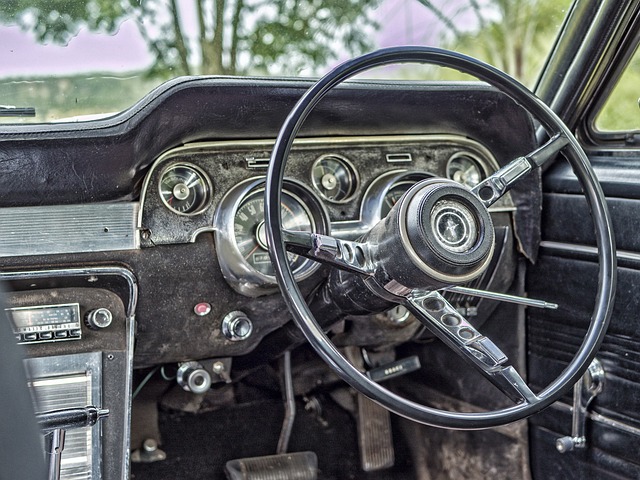
Before diving into the registration process, it’s crucial to gather all the essential documents required by the California Department of Motor Vehicles (DMV). One critical component that serves as a cornerstone for this process is the Vehicle Identification Number (VIN) verification. Start by obtaining the vehicle’s VIN, which can typically be found on the driver’s side of the dashboard or in the door jam. For added convenience, consider utilizing a mobile vin verifier app to quickly and accurately capture this unique identifier.
Additionally, ensure you have all necessary paperwork, including proof of ownership (such as a title or bill of sale), current insurance card, and valid driver’s license. A recent vehicle inspection report from a certified mechanic is also required for registration. If your vehicle is new, the dealer will typically provide these documents during the purchase. However, if you’re registering a used car, it’s your responsibility to obtain all necessary documentation via a mobile vin inspection or visit to a DMV office.
How to Use a VIN Verifier for Accurate Information

Using a VIN (Vehicle Identification Number) verifier is an essential step when registering your car in California to ensure accurate and reliable information. A VIN verifier allows you to validate crucial vehicle details like make, model, year, and even check for any outstanding issues or recalls. Many online tools and services offer mobile vin inspection options, providing convenience and ease during the registration process.
This method is particularly useful when preparing your paperwork as it helps avoid delays at the DMV (Department of Motor Vehicles). By cross-referencing the VIN with reputable databases, you can gain access to a comprehensive report, including vehicle history, ownership records, and any previous damage or modifications. With this information, you’ll be well-prepared to navigate the car registration process smoothly in California.
The Step-by-Step Process of Registering Your Vehicle in CA
Registering a car in California involves several straightforward steps that can be completed relatively quickly, especially with the help of modern tools like a mobile VIN verifier. Here’s how to do it:
1. Prepare Required Documents: Gather essential documents such as the vehicle’s registration certificate (if it was previously registered), proof of ownership (like a bill of sale or previous odometer reading), and your valid driver’s license. It’s also helpful to have insurance information handy, as you’ll need it during the process.
2. Perform a VIN Inspection: Before registering, ensure your vehicle passes all necessary safety inspections using a mobile VIN verifier. This tool checks for any outstanding issues with your car’s VIN (Vehicle Identification Number), confirming it’s safe and legal to drive. You can easily complete this step online or through a mobile app, making the process convenient and efficient.
Common Mistakes to Avoid During Vehicle Registration

When registering your car in California, it’s crucial to avoid common mistakes that can delay or even void your registration. One frequent error is failing to accurately document and verify the Vehicle Identification Number (VIN). Always ensure a thorough VIN inspection before initiating the registration process. Double-check the VIN on the vehicle’s dashboard, engine block, or driver’s side door jamb, then use a reliable vin verifier to cross-reference and confirm its validity.
Another mistake is not gathering all necessary documents, such as proof of insurance, valid driver’s license, and ownership evidence like a title or bill of sale. Additionally, be cautious when using mobile vin inspection or mobile vin verification services; ensure they’re reputable and official to avoid fraud. Prioritize accuracy and completeness to streamline the registration experience.
Registering a car in California involves understanding specific requirements and gathering essential documents. By using a VIN verifier to ensure accurate information, you can streamline the process. Following the step-by-step guide provided and avoiding common mistakes will make vehicle registration a breeze. Remember, a well-registered vehicle not only ensures legal compliance but also enhances your driving experience in the Golden State.